

Can Dashcam Footage Prove a Myrtle Beach Hit-and-Run Claim?
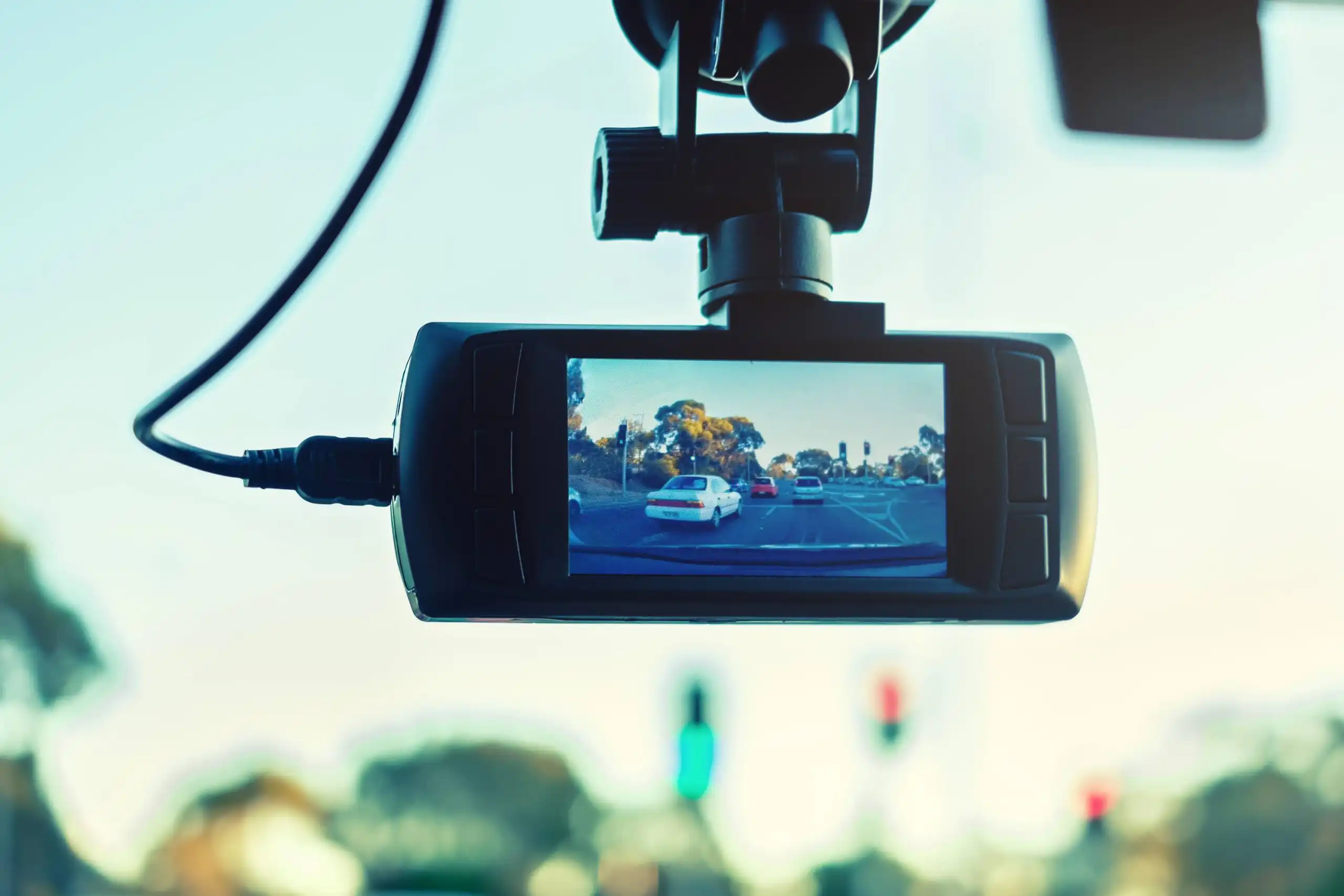
A driver clips your car on Highway 17 and disappears before you can read the plate. The crash lasts seconds, but the questions can remain for weeks. Who was driving, and can the vehicle be identified?
Dashcam footage can become one of the most useful pieces of evidence in a Myrtle Beach hit-and-run claim. It may show the collision, the direction the other vehicle traveled, its color and body style, or even part of a license plate. Just as importantly, South Carolina law now expressly recognizes an electronic recording of an accident as one way to support certain uninsured motorist claims involving an unknown vehicle.
Still, video does not automatically prove every part of a case. Its value depends on what it captured, how it was preserved, and whether other evidence supports it.
Dashcam footage can be overwritten or lost quickly after a crash. If a driver hit you and left the scene, call Sansbury Law Firm at (843) 315-9945 to discuss your Myrtle Beach hit-and-run claim and the steps you can take to preserve important evidence.
Discuss Your Hit-and-Run Claim(opens in new tab)
Can Dashcam Footage Prove a Hit-and-Run Claim?
Yes, dashcam footage may help prove a hit-and-run claim, but the recording must be evaluated in context. A useful video may establish several important facts:
- The other vehicle was present at the scene
- Contact occurred between the vehicles
- The unknown driver caused or contributed to the crash
- The driver left without stopping
- The date, time, and approximate location of the collision
- The vehicle’s make, model, color, damage, or license plate characters
- The traffic signal, lane position, weather, and road conditions
A blurry frame showing a distinctive light, sticker, roof rack, or damaged panel may give investigators something concrete to pursue.
Under South Carolina Code Section 38-77-170(opens in new tab), a person seeking recovery under uninsured motorist coverage after an unknown vehicle causes injury or damage must report the accident to an appropriate police authority within a reasonable time. The law also requires physical contact, an independent witness meeting specified requirements, or a recording showing that the unknown vehicle caused the damage or injury. This recording provision took effect through a 2024 amendment.
That makes dashcam footage particularly relevant when the fleeing vehicle never makes physical contact, such as when it forces another driver off the road. The facts and policy language still matter, so a recording should be reviewed carefully rather than treated as an automatic approval of coverage.
What Details Can a Dashcam Help Identify?
People often focus only on the license plate. A clear plate is valuable, but it is not the only useful detail. Investigators can compare multiple features to narrow down the vehicle.
Vehicle Characteristics
Review the recording for the make, model, color, doors, lights, wheels, decals, roof racks, and visible damage. A partial plate combined with a vehicle description can be more useful than either detail by itself.
Do not enlarge, sharpen, or filter the only copy. Editing may change pixels or metadata. Preserve the original first, then work from a duplicate.
Driver and Direction of Travel
A side-facing or rear camera may capture the driver’s general appearance, a passenger, or the direction the vehicle took after the crash. That route can point investigators toward another intersection, hotel entrance, parking garage, gas station, or business camera.
Why the Timestamp Matters
A timestamp helps police and businesses find matching footage without reviewing hours of video. If the dashcam clock is wrong, do not alter the original. Note the difference instead. A 911 log, phone history, receipt, photograph, medical record, connected vehicle app, or witness statement may establish the correct time. A clock error does not necessarily make the video useless, but it should be documented.
How to Preserve Dashcam Footage After a Crash
Many dashcams record on a continuous loop. If the file is not locked or downloaded, the camera may overwrite it during the next drive. Preservation should begin as soon as everyone is safe and emergency needs have been addressed.
Follow These Steps
- Stop recording when it is safe. Continued loop recording may overwrite the crash.
- Lock the event file. Use the camera’s save feature if you know how it works.
- Save the original. Copy it without renaming, trimming, or converting it.
- Create two backups. Keep them in separate locations.
- Keep the surrounding minutes. They may show unsafe driving, landmarks, or witnesses.
- Record the camera details. Note the model, settings, placement, and clock accuracy.
- Avoid posting the video online. Public discussion can complicate an investigation or claim.
Keep the memory card even after making copies. The original device and card may help establish that the file came from your vehicle and was not altered.
Check Cameras at Surrounding Myrtle Beach Businesses
Your dashcam may capture the impact but miss the plate. A hotel, restaurant, convenience store, parking garage, condominium, or private residence may have another angle.
Look at the crash location and the fleeing driver’s likely route. Several cameras may record different stages of the event.
Act quickly because many systems overwrite video. Ask the property manager to preserve the relevant time window. A business may not release it directly, so police or an attorney may need to make a formal request.
Provide the date, time range, location, direction of travel, vehicle descriptions, police report number, and investigating officer’s contact information. Do not enter restricted property or pressure employees. The goal is to identify possible sources before the footage disappears.
Sharing the Video With Police and Insurance Investigators
Call 911 from a safe location and report the collision. South Carolina law requires drivers involved in injury crashes to stop and remain at the scene, subject to limited circumstances for reporting the accident. Drivers in property-damage crashes involving an attended vehicle must also stop and fulfill their legal duties. See South Carolina Code Sections 56-5-1210 through 56-5-1230(opens in new tab).
Tell the responding officer that dashcam footage exists. Ask how the agency wants to receive it and obtain a receipt, email confirmation, or other record of the transfer. Give investigators a copy, not your only version.
Before sending the recording to an insurance adjuster, preserve the original and consider getting legal advice. The footage may help your claim, but it may also capture your speed, comments, distractions, or events leading up to the collision. The full recording should be reviewed, not just the few seconds that appear favorable.
Keep a simple evidence log showing when the file was downloaded, where each copy is stored, who received it, and whether a working copy was edited. This reduces confusion about the recording’s history.
An Illustrative Dashcam Scenario
This hypothetical example is not a Sansbury Law Firm case result. It shows how several pieces of evidence may work together.
No Contact, but the Crash Is Recorded
An unknown pickup moves into another driver’s lane, forcing the driver onto the shoulder and into a barrier. The pickup never touches the car and leaves. The rear camera records the lane movement and the pickup continuing away.
Because South Carolina’s current uninsured motorist statute recognizes a recording as one possible condition, that video may be important. The driver must still satisfy the statute’s other requirements.
Other Evidence That Can Strengthen the Claim
Dashcam footage is strongest when independent records agree with it. Preserve police reports, scene photographs, paint transfer, vehicle debris, witness details, 911 records, medical documents, wage-loss proof, repair estimates, and damaged personal property.
If the unknown driver is never identified, uninsured motorist coverage may become central. South Carolina requires automobile policies to include uninsured motorist protection at statutory minimum levels. Coverage, exclusions, and available damages depend on the policy and facts, so the documents should be reviewed rather than assumed.
For additional guidance, read Choosing an Auto Accident Attorney in South Carolina for Hit-and-Run Cases(opens in new tab) and What Happens If You Don’t Exchange Information After an Accident in South Carolina?(opens in new tab). Visitors involved in a crash may also find what to do after a Myrtle Beach accident with an out-of-state driver(opens in new tab) helpful.
How a Hit-and-Run Lawyer in Myrtle Beach Can Help
A hit-and-run lawyer in Myrtle Beach can review the recording and look for evidence beyond the dashcam. That work may include:
- Sending preservation requests to nearby businesses
- Coordinating with the investigating agency
- Locating witnesses or additional video
- Comparing vehicle features across recordings
- Reviewing uninsured motorist coverage
- Organizing medical, wage, and property-loss records
- Communicating with the insurance company
Time matters because recordings are overwritten, witnesses become harder to locate, and physical evidence changes. Early action can improve the chance that available evidence is preserved.
Why Clients Turn to Robert Sansbury
Robert Sansbury leads Sansbury Law Firm and is a Myrtle Beach native. He earned his Juris Doctor from the University of South Carolina School of Law after graduating cum laude from Clemson University. He previously served as a judicial law clerk and worked for a regional defense firm handling auto accident, personal injury, and large-loss trucking matters.
Robert has tried cases for plaintiffs and defendants. He serves on the South Carolina Association for Justice Board of Governors, previously served as president of the Horry County Bar, and is admitted to South Carolina state and federal courts. He has been named to the South Carolina Super Lawyers list for 13 consecutive years, from 2014 through 2026, and holds an AV Preeminent peer-reviewed rating from Martindale-Hubbell. These credentials are detailed on the firm’s attorney profile(opens in new tab).
See What Our Clients Say
Robert Sansbury and his team were incredible. I couldn’t recommend them enough. Answers every question with patience and enthusiasm. Made everything so easy for me. Many thanks to him and his team again. ⭐⭐⭐⭐⭐ – Cameron Blaylock
See our 5.0 rating and read more of our reviews on Google(opens in new tab)!
Past feedback and prior results do not predict a similar outcome. Every claim depends on its own facts.
Protect the Recording and Get Answers About Your Claim
Dashcam footage can do far more than show that a collision happened. It may help identify a fleeing vehicle, establish the sequence of events, locate other cameras, and support an uninsured motorist claim when the driver remains unknown. Its value can fade quickly, however, if a loop recording overwrites the file or nearby businesses delete their surveillance video.
If you were injured in a Myrtle Beach hit-and-run, save the original footage, report the crash, obtain medical care, and avoid editing or posting the recording. Then speak with someone who can review the full picture.
Contact Sansbury Law Firm(opens in new tab) or call (843) 315-9945 to schedule a consultation with a hit-and-run lawyer in Myrtle Beach. We can review the available video, explain the next steps, and discuss the evidence and insurance issues involved in your specific claim.
Request a Consultation(opens in new tab)
This article provides general information and is not legal advice. Reading it or contacting the firm does not create an attorney-client relationship. A result obtained in one matter does not indicate that the same result can be achieved in another matter.